

Infographic
Your Revenue Data Has a Shelf Life. Does Its Encryption?
Harvest Now, Decrypt Later is a long-term cyber risk in which encrypted data is collected today and stored until future quantum computers can read it. Quantum computers aren’t breaking healthcare encryption today, but claims histories, payer contracts and denial trends stay valuable for years. Healthcare organizations can start with three steps: name an owner, find where encryption lives and ask vendors the right questions.
The Risk

Claims histories, payer contracts and denial trends stay valuable for years. Encrypted data can be collected today and held until stronger computers can read it.
It’s called Harvest Now, Decrypt Later.
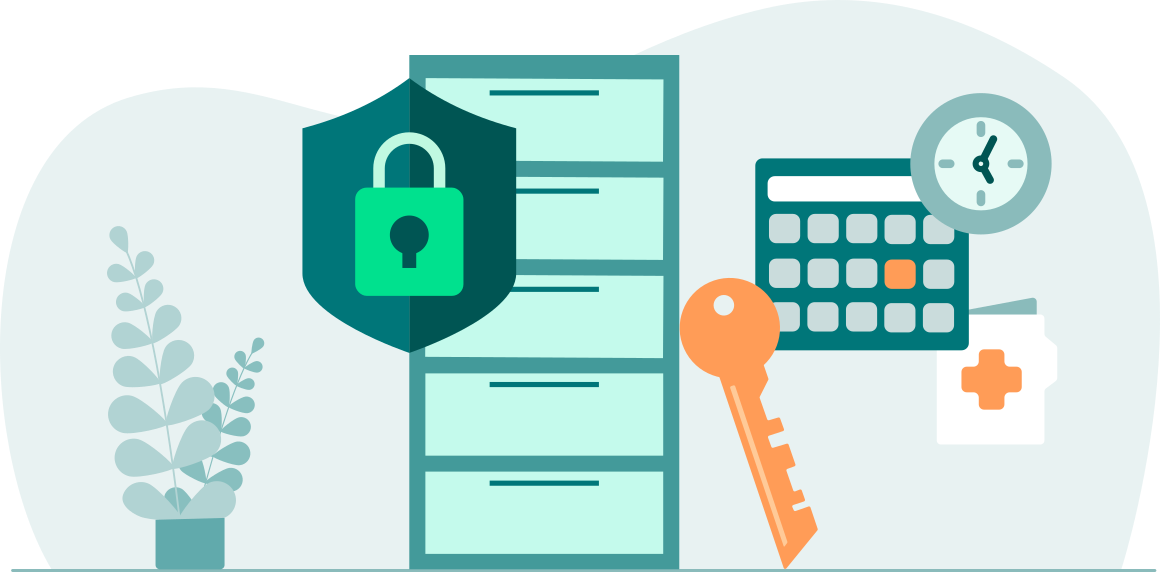
Picture a stolen, locked filing cabinet. The thief can’t open it yet. They just keep it.
Why It Matters To Revenue
Financial and payment data is one of the five healthcare data types most at risk for quantum attacks. If it becomes readable, you could face:

Weaker payer negotiations

Exposed reimbursement strategies

Harder audits

Quantum computers aren’t breaking healthcare encryption today. This is a planning issue, and the best time to plan is before it’s urgent.
Most Leaders Are Still Getting Started

Fewer than half of security leaders say they’re well prepared for quantum threats.
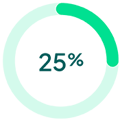
Only 1 in 4 is actively implementing post-quantum cryptography.
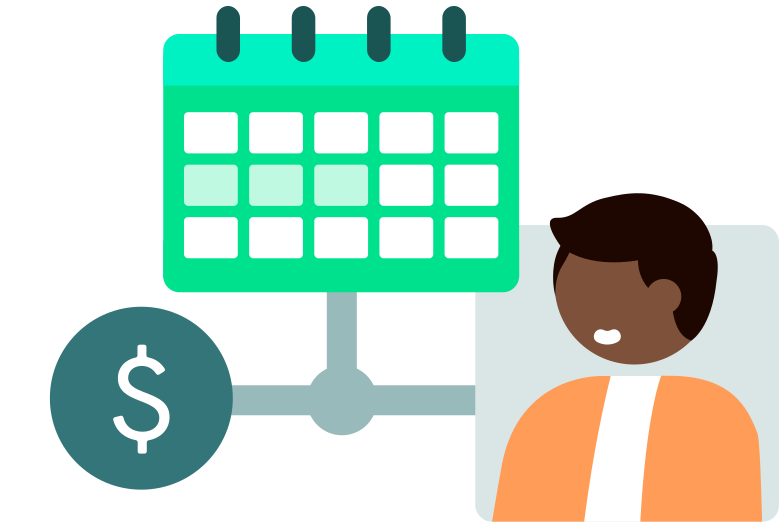
NIST plans to retire today’s quantum-vulnerable encryption standards by 2035, so the time to plan is now.
What To Do Now

Start with three steps:
Name an owner. One accountable leader for post-quantum readiness.
Find where encryption lives. Start with your longest-lived, most sensitive data.
Ask your vendors. Where does their encryption live, how long do they keep your data and who owns the plan?
Get the white paper, including 10 questions to ask your team and vendors, plus a readiness checklist.